Microfiber vs 100 Percent Polyester Sheets Which Is Right for You
You want good sheets that fit your sleep and budget. Microfiber feels soft and silky. It also keeps its color well. Polyester feels a little rougher. But it stays strong after many washes. Both are easy to care for and do not wrinkle much. Microfiber is more comfortable. Look at the table below to see which one you like best.
Feature | Microfiber | Polyester |
|---|---|---|
Feel | Soft, smooth, and silky | Slightly rougher |
Durability | Highly durable | Durable |
Color Retention | Fades faster | |
Care Requirements | Gentle wash needed | Handles hot washes |
Key Takeaways
Microfiber sheets feel soft and smooth. They are cozy and warm. These sheets are great if you want comfort.
Polyester sheets last a long time. They are easy to wash and care for. They do not cost much. Families and people who wash sheets often like them.
Microfiber keeps bright colors well. It does not wrinkle easily. Polyester sheets can lose color faster. But they can be washed in hot water.
If you get hot at night, polyester sheets breathe better. Microfiber sheets can hold in heat.
Think about your money and what you like. Microfiber feels fancy. Polyester lasts longer and is a good deal.
Microfiber vs Polyester
Microfiber Sheets
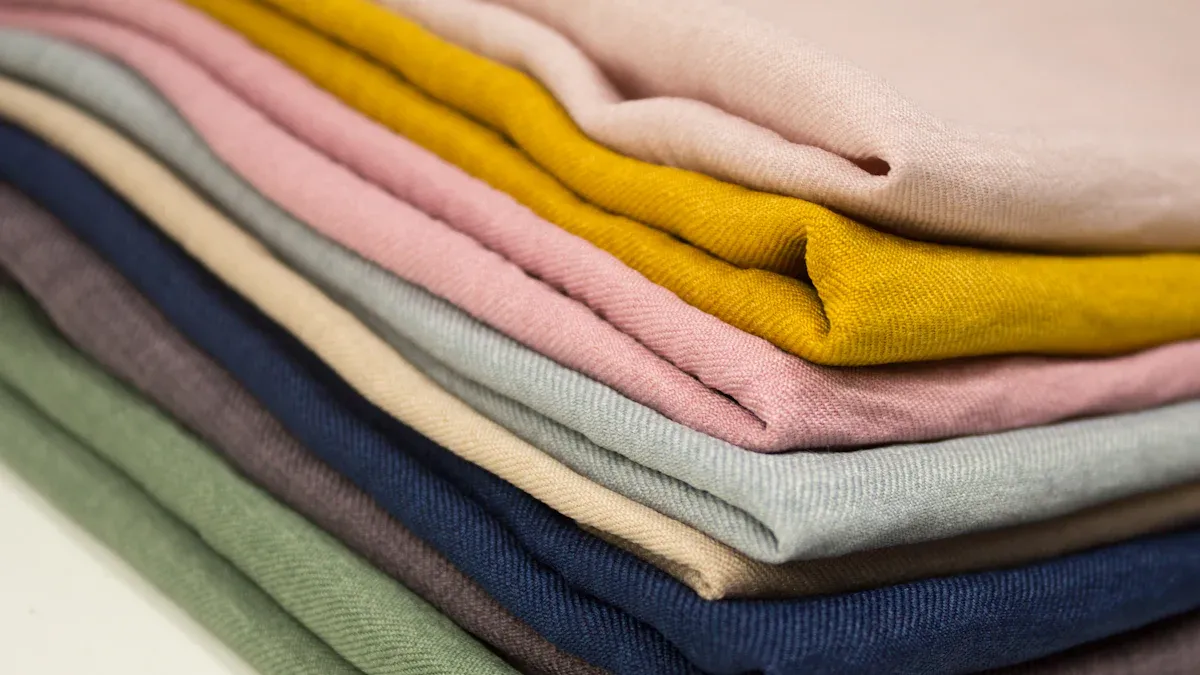
Microfiber sheets feel very soft and smooth to touch. They use tiny fibers, even thinner than silk. These fibers are packed tightly together. This makes the sheets feel silky or velvety. The fibers are pushed through a small hole. Then, heat fuses them together. This creates a thick fabric that keeps color well. It also feels gentle on your skin.
Microfiber sheets keep you warm at night. They soak up water if you sweat while sleeping. Microfiber sheets may cost more than polyester sheets. Many people think the comfort is worth the price. If you want soft and cozy sheets, microfiber is a good pick.
Tip: Microfiber sheets are great for people who want softness and warmth.
Here’s a quick look at how microfiber and 100% polyester compare:
Feature | Microfiber | 100% Polyester |
|---|---|---|
Fiber Structure | Finer fibers, softer texture | Strong, thick fibers |
Manufacturing Process | Fibers fused with heat | Larger fibers, tightly woven |
Durability | Less durable | More durable |
Breathability | More breathable | Less breathable |
Comfort | Softer and more comfortable | Sufficient comfort |
Water Interaction | Absorbs water | Evaporates water quickly |
Cost | Slightly higher price | Cheaper to manufacture |
Polyester Sheets
Polyester sheets use thicker fibers. These fibers are woven together to make strong fabric. Polyester feels rougher than microfiber. The weave is looser, so it does not trap much heat. This is good for people who get hot at night.
Both polyester and microfiber are made from synthetic materials. The thickness and weave make them different. Polyester sheets last longer because the fibers are tough. You can wash them in hot water. They keep their shape after many washes. If you want strong and easy-care sheets, polyester is a smart choice.
Note: Polyester sheets are best for people who want tough sheets and easy cleaning.
Comfort
Softness of Microfiber Sheets
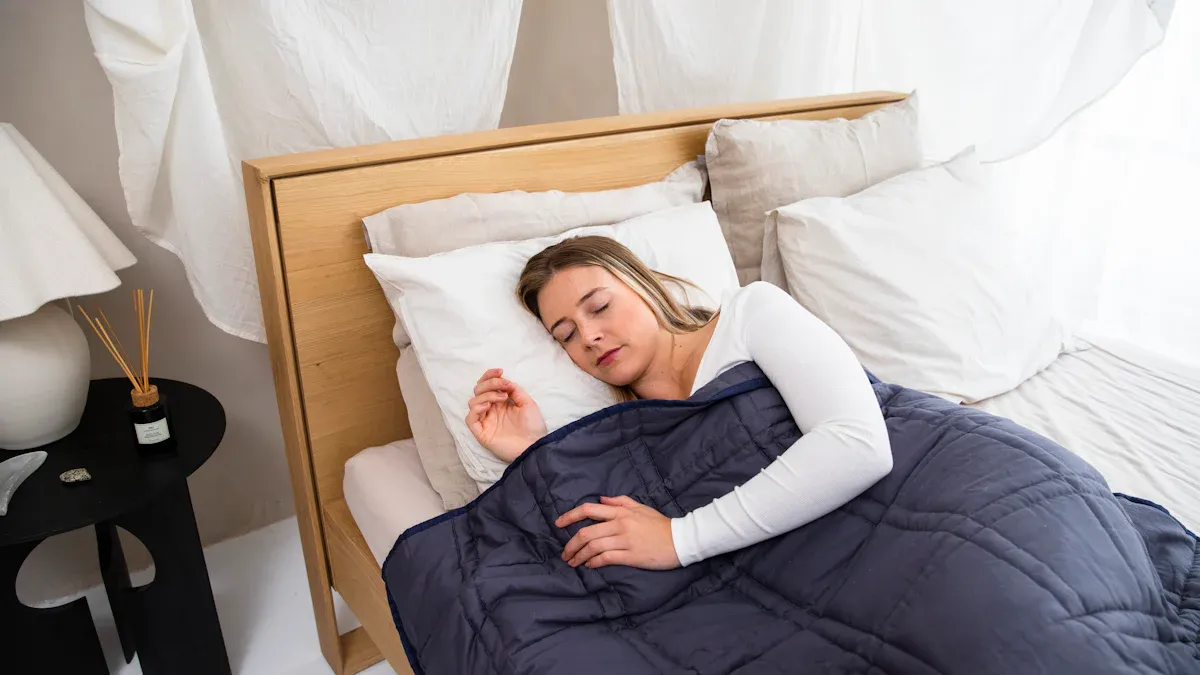
When you touch microfiber sheets, they feel very soft. The fibers are gentle and smooth on your skin. Many people think microfiber feels almost like silk. You feel cozy and comfy when you lie down. This is why many people pick microfiber for comfort.
Consumer Reports tested different microfiber brands. Here is what they found:
Microfiber sheets like 'The Big One Extra Soft Microfiber' and 'Mainstays Ultra Soft High Quality Microfiber' got a perfect 5 out of 5 for softness.
Synthetic sheets, like microfiber, often feel softer than cotton sheets.
You will notice the silky texture of microfiber sheets. They slide easily over your skin. The fine fibers are packed tightly together. This makes the sheets feel fancy. If you care about softness, you may like microfiber best. Microfiber also stays soft after many washes.
Feel of Polyester Sheets
Polyester sheets feel different from microfiber. The fabric is strong and sturdy. Polyester does not feel as silky as microfiber. The texture is a bit rougher, but it is still comfy for many people. Polyester sheets are good if you want something that lasts and can be washed a lot.
Polyester and microfiber sheets each have special qualities. Microfiber is softer and smoother. Polyester is tougher and not as silky. Some people like polyester because it feels crisp and cool. These sheets do not stick to your skin.
Here is a comparison from user reviews:
Sheet Type | Comfort Level Description |
|---|---|
Microfiber | Very soft, smooth, and almost silky feel, like high thread count cotton or silk. |
Polyester | A little rougher, not as silky as microfiber, but still comfy. |
You pick between polyester and microfiber based on what you like. If you want a soft and smooth sheet, choose microfiber. If you want a sheet that feels strong and cool, pick polyester. Both are comfortable, but their feel is different.
Tip: If you want the softest sheets, microfiber is a great choice. If you like crisp and strong sheets, polyester is a good pick.
Breathability
Microfiber Bed Sheets and Airflow
You might ask if microfiber sheets let air move well. Microfiber uses tiny fibers that make a soft, smooth sheet. Many people think microfiber feels cooler than 100% polyester. This is because the fibers are not packed as tightly. This design lets air pass through the fabric. It can help your bed feel more comfy.
Microfiber sheets feel better and let your skin breathe more than polyester sheets.
Microfiber is often seen as better than polyester. It has more features, like better breathability.
But, microfiber’s tight weave can hold in heat and sweat. If you sweat at night, you might feel sticky when moisture stays on your skin. Microfiber does not soak up sweat or let air move as well as cotton. Some people find this makes them sweat more at night.
Tip: If you want soft and cozy sheets, microfiber is a good pick. If you get hot at night, look for sheets that let more air in.
Polyester Sheets and Cooling
Polyester sheets use thicker fibers and a looser weave than microfiber. This makes polyester strong and helps it last longer. You can wash polyester sheets many times and they keep their shape. The looser weave means polyester sheets do not hold as much heat. This is good for people who get warm at night.
Some new polyester blends have cooling tech, but they do not breathe like natural fibers.
Both polyester and microfiber use synthetic fibers, but polyester sheets trap less heat than microfiber.
Cotton sheets are best for hot sleepers. They pull away sweat and let air move better.
Polyester sheets are strong and easy to care for. If you want sheets that last and do not wrinkle, polyester is a smart choice. Polyester sheets may feel cooler than microfiber, but cotton sheets still breathe better.
Note: If you want strong sheets that stay cool, polyester is a good choice. For the coolest sheets, natural fibers like cotton are best.
Durability
Polyester Longevity
When you look for sheets that last, polyester stands out. Polyester bed sheets use strong fibers that resist tearing and stretching. You can wash them many times, and they keep their shape. These sheets do not pill easily, so you see fewer small fabric balls on the surface. Polyester bed sheets also handle hot water and heavy use. If you have kids or pets, you may notice that polyester sheets hold up well.
You might wonder how long polyester bed sheets last compared to other types. Many users report that polyester sheets can last for several years with regular care. Polyester and microfiber sheets both offer good durability, but polyester often lasts longer. Here is a table that shows the average lifespan of different sheet types:
Sheet Type | Average Lifespan |
|---|---|
Polyester | 5-7 years |
Microfiber | 2-3 years |
Cotton |
Tip: If you want sheets that can handle frequent washing and daily use, polyester bed sheets are a smart choice.
Microfiber Sheets Wear
Microfiber sheets feel soft and cozy, but they may not last as long as polyester bed sheets. The fine fibers in microfiber can wear down faster, especially if you wash them often. Over time, you might see pilling or thinning in areas where you sleep the most. Microfiber sheets usually last about two to three years before you notice signs of wear.
You can help your microfiber sheets last longer by washing them gently and avoiding high heat. If you want a balance between comfort and durability, microfiber works well for guest rooms or beds that do not get daily use. Polyester and microfiber both resist wrinkles, but polyester bed sheets have the edge in long-term strength.
Note: Choose microfiber if you want soft sheets for a few years. Pick polyester bed sheets for the longest-lasting option.
Care and Maintenance
Cleaning Microfiber Sheets
You want your sheets to stay fresh and last longer. Microfiber sheets need gentle care to keep their soft feel. Follow these steps for cleaning:
Read the care label before you start. Each brand may have special instructions.
Wash your sheets alone. This keeps lint from other fabrics away and helps keep the texture smooth.
Use a gentle detergent. Skip bleach and fabric softeners because they can harm the fibers.
Set your washer to a gentle cycle with cold water. Hot water can shrink or weaken the fabric.
Give your sheets space in the washer. Do not overload it, so your sheets get fully clean.
Dry on low heat or use the delicate setting. High heat can damage the fibers. Air drying works well and helps keep colors bright.
Microfiber sheets resist stains very well. If you spill something like red wine, you can often clean it up without leaving a mark. These sheets dry quickly, so you spend less time waiting for them to be ready. You do not need to iron them because they stay smooth after washing.
Tip: Quick cleaning and stain resistance make microfiber sheets a smart choice for busy households.
Caring for Polyester Sheets
Polyester sheets are easy to care for and handle frequent washing. You can use regular detergent, but avoid bleach to protect the color. Wash polyester sheets in warm or cold water. Hot water is safe for polyester, but cold water helps keep colors bright. Polyester sheets do not wrinkle much, so you do not need to iron them.
Polyester sheets share some cleaning benefits with microfiber. They resist stains and dry fast. You can put them in the dryer on medium or low heat. Polyester sheets keep their shape and texture after many washes. If you want sheets that need little effort, polyester is a good pick.
Note: Both microfiber and polyester sheets offer easy cleaning and quick drying, but microfiber stands out for stain resistance.
Cost
Price of Microfiber Sheets
You might notice that microfiber sheets often cost a bit more than basic polyester sheets. Many stores sell microfiber as a premium option because of its soft feel and vibrant colors. You pay for comfort and a silky texture that feels like high thread count cotton or even silk. Microfiber sheets resist wrinkles and shrinkage, so you do not need to replace them as often. Some brands offer deals, but you usually spend more for extra softness.
When you shop for microfiber sheets, you see prices that range from budget to luxury. The price depends on the brand, weave, and fiber quality. Microfiber sheets last a long time if you care for them gently. You save money over time because you do not need to buy new sheets every year. Many people say the comfort is worth the extra cost.
Here is a table that shows how consumers rate the value for money of microfiber sheets compared to polyester:
Feature | Microfiber Sheets | Polyester Sheets |
|---|---|---|
Feel | Soft, smooth, and silky; comparable to high thread count cotton or silk | Slightly rougher; can be comfortable but lacks silky smoothness |
Durability | Highly durable; resistant to wrinkles, shrinkage, and mildew; vibrant colors | Durable but less wrinkle-resistant; may not hold color as well; texture may stiffen over time |
Tip: If you want sheets that feel soft and look bright, microfiber is a smart investment.
Polyester Sheet Value
You find that polyester sheets offer great value for your money. These sheets cost less than microfiber and last for years. Polyester uses strong fibers that resist tearing and stretching. You can wash them often, and they keep their shape. Many families choose polyester for guest rooms or kids’ beds because the sheets are tough and easy to clean.
Polyester sheets do not wrinkle much, so you save time on ironing. The price stays low, even for large sizes. You get comfort and durability without spending a lot. Some people prefer 100% polyester sheets because they handle frequent washing and daily use. You might notice that the texture feels a bit rougher, but the sheets still provide good comfort.
If you want to save money and get sheets that last, polyester is a practical choice. You spend less up front and enjoy strong, easy-care bedding for years.
Note: Polyester sheets give you solid value, especially if you need affordable and long-lasting bedding.
Eco-Friendliness
Environmental Impact
You might think about how your sheets affect the earth. Polyester and microfiber sheets are made from man-made materials. Factories use lots of energy to make these fabrics. This process lets out gases that warm the planet. Workers use chemicals like sulfuric acid on polyester. They also mix it with oil products. These steps make both microfiber and polyester less eco-friendly.
When you wash these sheets, tiny fibers come off. These microfibers go into water and reach rivers and oceans. Scientists found these fibers can hurt fish and other water animals. The textile industry uses chemicals that can mess with animal and human hormones. You can see the main problems in the table below:
Evidence Type | Description |
|---|---|
Microfiber and polyester sheets shed microfibers during washing, contributing to environmental pollution. | |
Human Health Risks | Inhaled microplastics can lead to inflammation and genotoxicity, with significant health risks identified. |
Aquatic Ecosystem Impact | Microfibers from synthetic materials pose threats to aquatic organisms, affecting their health and ecosystems. |
Chemical Additives | The textile industry uses various chemicals that can disrupt endocrine functions and harm aquatic life. |
Note: Synthetic sheets like microfiber and polyester harm the environment more than natural fiber sheets.
Sustainability
You may want sheets that are better for the planet. Polyester and microfiber sheets do not break down fast. They stay in landfills for a long time. Natural fibers like cotton or bamboo break down much quicker. Synthetic sheets use oil, which cannot be replaced.
Some companies make polyester and microfiber sheets from recycled stuff. This helps cut down on waste and saves energy. You can look for sheets with green labels. Washing sheets less and using cold water also helps the earth.
If you care about the planet, you might pick natural fiber sheets. These use less energy and fewer chemicals. You help the earth when you buy things that last longer and make less trash.
Tip: Try to find recycled or eco-friendly sheets to help the planet. 🌱
Pros and Cons
Microfiber Sheets Pros and Cons
When you pick bedding, you want to know the good and bad things. Many people like microfiber because it feels soft and cozy. You can buy it in many colors to match your room. Microfiber bedding is light, so it is easy to put on your bed. It does not wrinkle or shrink much, so your bed looks neat. If you spill something, you can clean fresh stains fast. This bedding dries quickly, so you do not wait long after washing.
Here are the main good and bad things about microfiber bedding:
Light and simple to use
Soft and comfy to touch
Pulls moisture away to keep you dry
Comes in lots of colors
Does not wrinkle or shrink much
Simple to clean and dries fast
Warm and cozy in winter
Lasts long if you take care
But, there are some downsides to microfiber bedding:
Not good for the earth
Can feel hot in summer
Picks up lint and pet hair
Might bother sensitive skin
Can get less soft over time
Tip: If you want soft and easy bedding for cold nights, microfiber is a good choice.
Polyester Sheets Pros and Cons
Polyester bedding is also popular in many homes. You might choose polyester if you want bedding that lasts and is easy to wash. This bedding costs less, so you can buy more sets. Polyester does not wrinkle much, so your bed looks tidy. Many people use polyester in guest rooms or for kids because it can be washed a lot.
Here is a quick look at the good and bad things about polyester bedding:
Pros | Cons |
|---|---|
Strong and lasts long | Does not let air through |
Easy to care for | Might bother your skin |
Costs less | Not good for the planet |
Does not wrinkle much | Can pill and fade |
Polyester bedding gives you good quality for the price. You may see it does not let air move as well as other fabrics. Some people with sensitive skin may feel itchy. Polyester bedding can get little balls or lose color after many washes. It also hurts the earth more than natural fabrics.
Note: Polyester bedding is great if you want strong, cheap sheets that are easy to care for, but it may not be best if you want cool sheets or have sensitive skin.
Choosing Your Sheets
For Hot Sleepers
You want to feel cool while you sleep. Experts say sheets should let air move and not trap heat. Microfiber sheets feel soft, but they keep warmth in. This can make you sweaty and hot. Polyester sheets also hold heat close to your body. If you get hot at night, you might wake up feeling uncomfortable.
Cotton sheets are best for cooling. They let air flow and pull sweat away from your skin. If you want synthetic sheets, try polyester blends with cooling tech. But cotton is still better for breathability.
Here’s how these sheets do in heat and moisture tests:
Microfiber sheets trap heat and moisture. This can make hot sleepers feel too warm.
Polyester sheets also keep heat in, like microfiber.
Cotton sheets are best for hot sleepers. They let air move and pull sweat away.
Tip: If you get hot at night, pick sheets with cooling features or natural fibers like cotton. Microfiber and polyester may not keep you cool enough.
For Budget Shoppers
You want nice sheets but do not want to spend much. Microfiber and polyester sheets are both cheap. You can find sets for less than $30. Microfiber sheets feel soft and come in many colors. Polyester sheets last long and cost less.
Here is a table with top budget picks:
Product Name | Material | Price | Pros | Cons |
|---|---|---|---|---|
Utopia Bedding Bed Sheet Set | 100% brushed microfiber | $20 | Soft feel, affordable, lots of colors | Not breathable, no printed patterns |
Sonoro Kate Microfiber Bed Sheet Set | 100% double-brushed microfiber | $25 | Soft, deep pockets, many colors | Less breathable, only solid colors |
When you think about long-term costs, you see some differences:
Feature | Microfiber Sheets | Polyester Sheets |
|---|---|---|
Durability | Very durable, resists wrinkles, shrinkage, and mildew. Colors stay bright longer. | Durable but not as wrinkle-resistant. Colors may fade over time. |
Care Requirements | Wash in cold water, dry on low heat to avoid damage. | Can handle warmer wash and dry settings. |
Note: Microfiber sheets cost a bit more, but you get soft feel and bright colors. Polyester sheets save money and last a long time.
For Easy Care
You want sheets that are simple to clean and do not need much work. Polyester sheets are easy because you can wash them in warm or hot water. They keep their shape and do not wrinkle much. Microfiber sheets need gentle washing in cold water and low heat drying. Both types dry fast and resist stains.
Many people like microfiber sheets because they dry quickly and do not shrink. You do not need to iron them. Polyester sheets also resist wrinkles and stains. You can use them in guest rooms or for kids because they handle lots of washing.
Common problems with maintenance include:
Texture Issues: Some people think microfiber sheets feel too slippery compared to natural fibers.
Breathability: Microfiber often traps heat and does not let air move well.
Heat Retention: Many people wake up sweaty because microfiber does not pull away moisture.
Pilling: Microfiber sheets can get little fabric balls over time.
Cleaning Difficulties: Stains can be hard to remove, and smells may stay longer than with natural sheets.
Tip: If you want sheets that are easy to clean and need little care, polyester is a smart choice. Microfiber works well if you wash gently.
For Sensitive Skin
You want sheets that feel gentle and do not bother your skin. Microfiber sheets help people with sensitive skin because they manage moisture and keep dust mites away. The dry surface of microfiber stops irritants from growing. The tight weave blocks dust mites, which lowers the chance of skin problems.
Doctors say polyester can cause allergies. You may see redness, itching, or swelling after sleeping on polyester sheets. Polyester is not good for people with sensitive skin.
Some labels help you pick safe sheets. Look for OEKO-TEX tags. These show sheets are free from many allergens and skin irritants.
Microfiber and polyester sheets are usually not best for sensitive skin. They are synthetic and can trap heat and moisture, which may cause irritation.
OEKO-TEX labels prove sheets are free from many known allergens and skin irritants.
Polyester, nylon, and microfiber are synthetic fibers that trap heat and moisture. This can cause rashes or breakouts.
Note: If you have sensitive skin, pick microfiber sheets with moisture control or look for OEKO-TEX certified sheets. Do not use polyester if it bothers your skin.
Picking between microfiber and polyester sheets depends on what you like best. Check out this table to help you decide:
Attribute | Microfiber | Polyester |
|---|---|---|
Feel | Softer, smoother, silky | Slightly rougher |
Durability | Very durable | Durable |
Temperature Control | Warmer, traps heat | More breathable |
Cost | Higher, premium | More affordable |
Microfiber sheets feel extra soft and keep you warm. Polyester sheets are strong and cost less money. Choose the sheet that fits how you sleep. You will sleep better and feel happy! 😊
FAQ
Can you use bleach on microfiber or polyester sheets?
Do not use bleach on microfiber or polyester sheets. Bleach can hurt the fibers and make colors fade. Use a gentle soap to keep your sheets nice.
Do microfiber sheets pill more than polyester sheets?
Microfiber sheets can get little balls if you wash them with rough things or use hot water. Polyester sheets do not pill as much. Wash both types gently to help them stay smooth.
Which sheets dry faster after washing?
Sheet Type | Drying Speed |
|---|---|
Microfiber | Very fast |
Polyester | Fast |
Microfiber sheets dry the fastest after you wash them. Polyester sheets also dry quickly, but not as fast as microfiber.
Are these sheets safe for people with allergies?
Microfiber sheets help block dust mites and allergens. Polyester sheets can bother people with sensitive skin. For extra safety, pick sheets with an OEKO-TEX label.
See Also
Comparing Panel And Digital Printing For Polyester Bedding 2025