Pigment Printing or Disperse Printing Choosing the right printing for your home textile

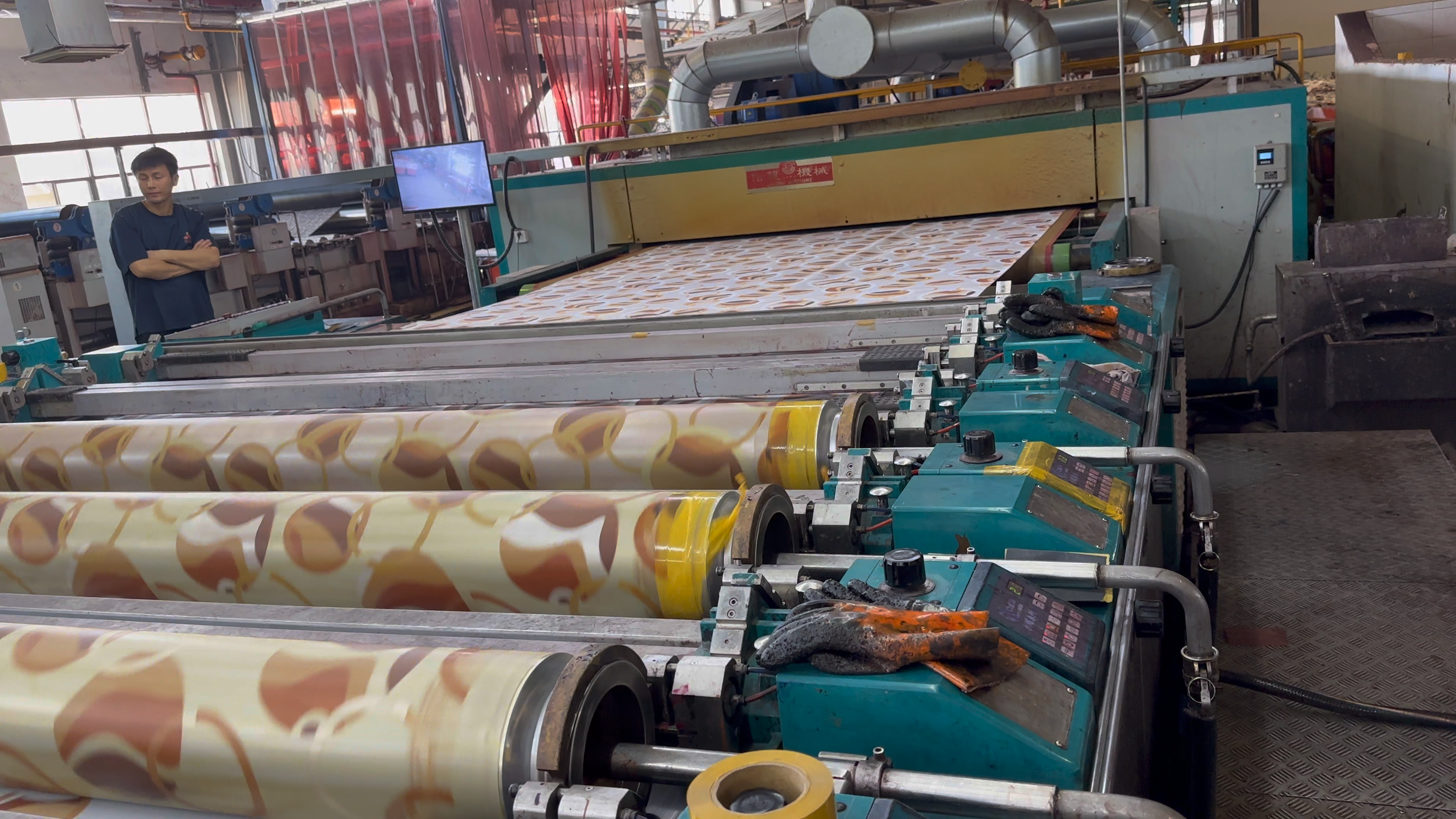
You might ask what makes pigment printing different from disperse printing. Pigment printing uses inks that stay on top of the fabric. Disperse printing uses dyes that bond to synthetic fibers like polyester. Pigment printing is better for the environment. It uses up to 86% less water and 56% less CO₂. Disperse inks are best for printing directly on polyester. They give bright colors and last a long time. Perfectextile has over 20 years in home textiles. They help you pick the best method for your fabric and project.
Key Takeaways
Pigment printing is good for the environment. It uses up to 86% less water. It also uses 56% less CO₂ than other ways.
Disperse printing works best on synthetic fabrics like polyester. It gives bright colors and prints that last a long time.
Digital pigment printing is fast and flexible. It lets you make detailed designs. You do not need a big setup.
Pick pigment printing for many types of fabrics. It is also good for eco-friendly projects. Choose disperse printing for bright colors on polyester.
Always test your design on a small fabric piece first. This helps you check the quality. It also helps you avoid mistakes on big prints.
What Is Pigment Printing?
Process Overview
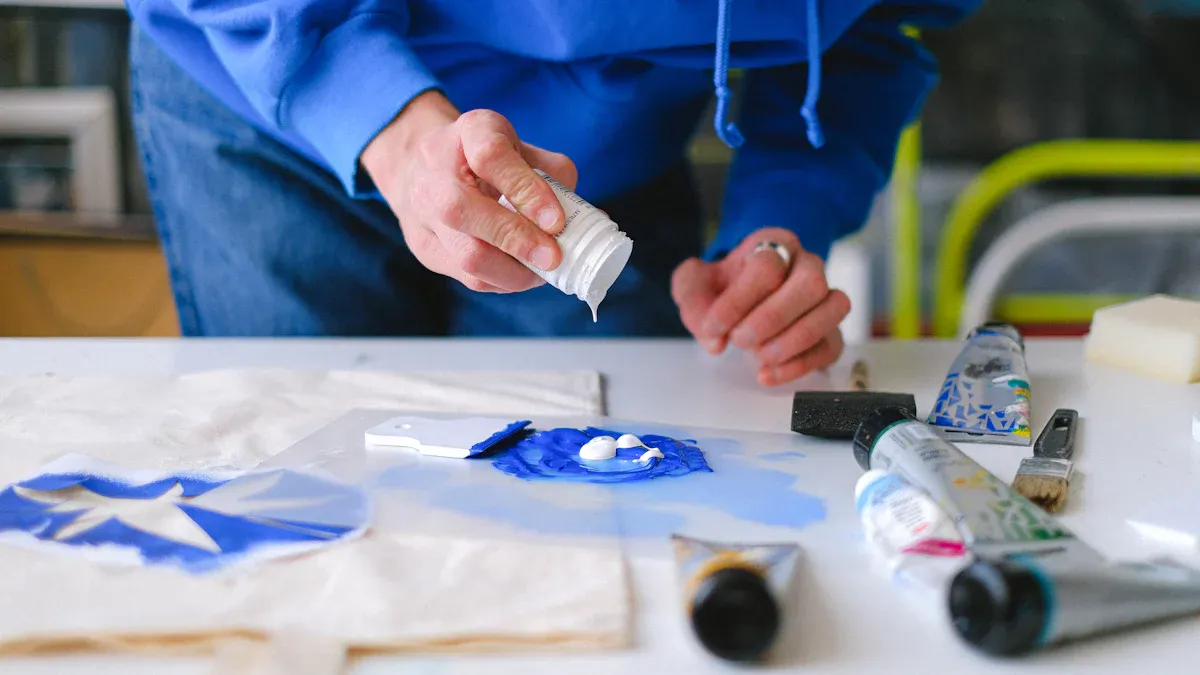
Pigment printing lets you create colorful designs on fabric using pigment inks. You can follow these steps to complete the process:
Wash and dry the fabric to remove any dirt or oils.
Choose pigment inks that match your color needs and fabric type.
Mix the pigment inks to get the shades you want.
Clean the printing screen or block to avoid leftover colors.
Spread the pigment inks evenly on the screen or block.
Place the screen or block on the fabric in the right position.
Use a squeegee or roller to press the pigment inks onto the fabric.
Lift the screen or block to see your printed design.
Let the fabric dry fully before you touch or use it.
This process works well for many types of pigment prints, making it a popular choice in the textile industry.
Key Features
Pigment printing stands out for its unique qualities. You use pigment inks mixed with binders, which help the color stay on the fabric surface. Here is a table that shows how pigment printing compares to other methods:
Feature | Pigment Printing | Other Methods (e.g., Dye Printing) |
|---|---|---|
Type of Colorant | Pigment inks with binders | Dyes that soak into fibers |
Durability | Strong and long-lasting prints | Varies by dye type |
Rub Fastness | Excellent in wet and dry states | Often less than pigment printing |
Air Permeability | Good | Varies |
Color Brightness | Bright and vivid | Sometimes less vibrant |
Stability | Very stable | Varies |
You get bright colors, good air flow, and strong prints with textile pigment printing. Pigment inks also give you excellent rub fastness and chemical stability.
Suitable Fabrics
You can use pigment printing on many fabrics. Over 80% of printed textiles use this method because it works on different fibers. Here are some fabrics that work best:
Cotton and other cellulosic fibers
Blends of cotton and polyester
Linen and rayon
Pigment inks need binders like acrylic resins to stick well to these fabrics. You get good color and lasting prints on these materials.
Tip: Pigment printing is a smart choice if you want eco-friendly, versatile, and durable prints for home textiles.
Disperse Inks and Printing
How Disperse Printing Works
You use disperse inks when you want to print on synthetic fabrics. These inks contain tiny color particles that do not dissolve in water. During printing, you apply the ink to the fabric. Then, you use heat to make the color bond with the fibers. This process is called dye sublimation. The heat turns the ink into gas, which moves into the fabric and creates a strong, lasting color. Many people choose digital disperse dye sublimation printing for bright and detailed designs.
Main Characteristics
Disperse inks have special qualities that help you get high-quality prints. The speed, volume, and path of each ink drop matter a lot. If these are not right, the print can look uneven or blurry. Ink makers work hard to keep the particles very small—less than 200 nanometers for digital printing and under 500 nanometers for regular printing. Small particles help the ink flow smoothly and give you sharp images.
You also find dispersants in disperse inks. These help spread the color evenly and stop the particles from sticking together. Good dispersants make the ink stable and improve the print quality. The way the ink flows, called rheology, also affects how well the print lasts and how it looks.
Here is a quick look at what makes disperse inks special:
Feature | Benefit |
|---|---|
Ultra-fine particles | Sharp, clear prints |
Dispersants | Even color, no clumping |
Good rheology | Smooth application, durability |
Tip: Always check that your printer settings match the type of disperse inks you use. This helps you get the best results.
Best Fabric Matches
You get the best results with disperse inks when you print on polyester. Polyester fibers bond well with the ink during the heat process. This method works especially well for solid colors on dark polyester fabrics. Many textile experts agree that polyester is the top choice for disperse printing. You can also use these inks on blends that have a high polyester content, but pure polyester gives you the brightest and most durable prints.
Digital Pigment Printing in Modern Textiles
Technology and Benefits
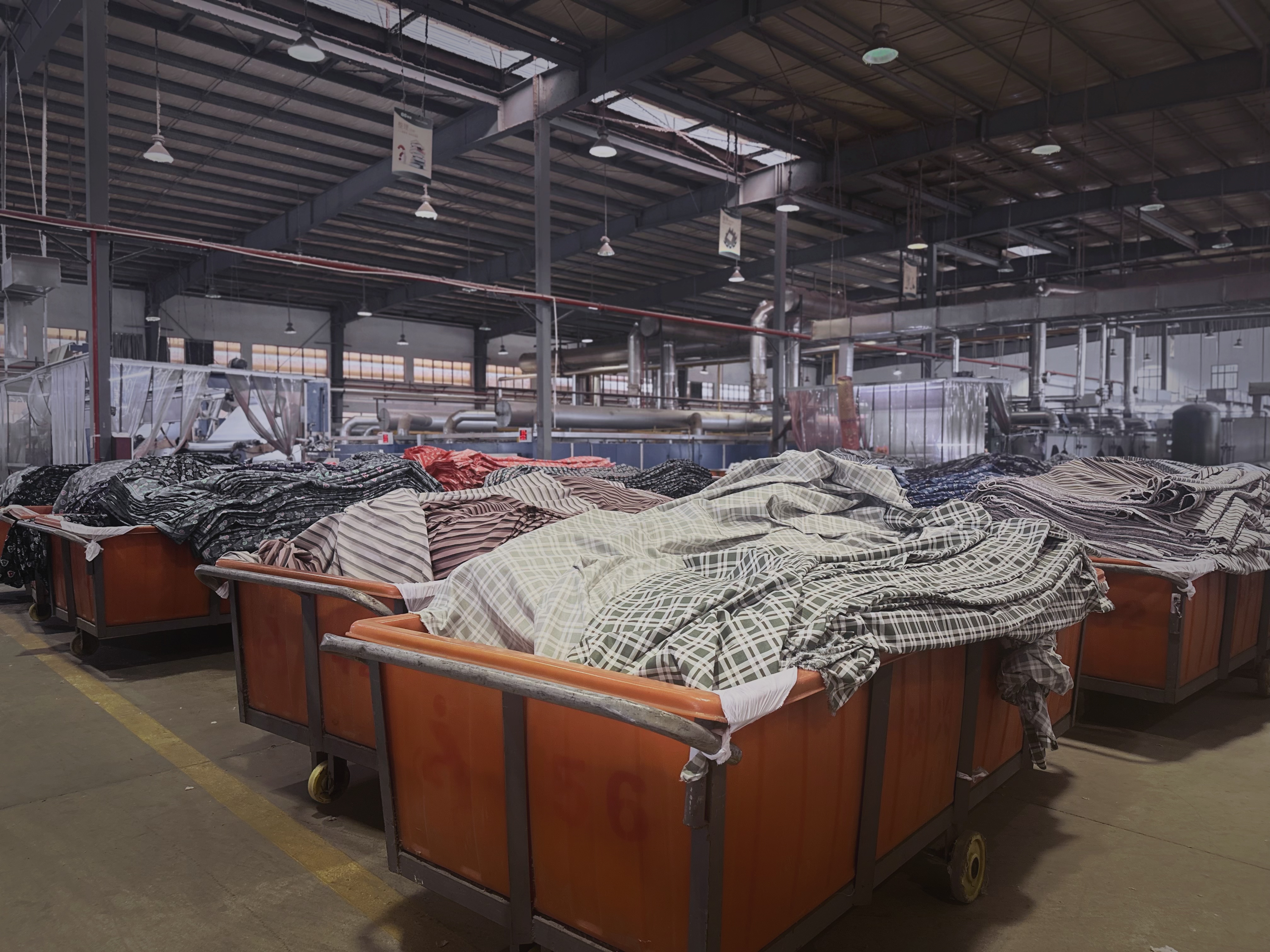
Digital pigment printing is changing how textiles are made. This method uses special inks for many kinds of fabric. You can print on cotton, linen, and polyester blends. It lets you make detailed designs fast. You do not need engraved cylinders. This saves you time and money.
Here is a table that shows how technology helps digital pigment printing:
Advancement Type | Description |
|---|---|
Sustainability | Digital printing uses up to 95% less water and 94% less energy. |
Efficiency | New machines like Kornit Presto MAX print in one step. This cuts setup time. |
Versatility | You can print on natural or synthetic fabrics. This makes production flexible. |
Personalization | You can make special designs for each customer. |
Digital pigment printing uses water-based inks. You need less water and energy. This helps the environment. You get bright colors and strong prints. New ink types give better color fastness and light resistance. You can use digital pigment printing for fashion, home, and outdoor fabrics.
Tip: Pick digital pigment printing if you want eco-friendly, quick, and flexible printing for your textiles.
perfectextile’s Experience
Perfectextile has worked with digital pigment printing for 20 years. The company uses inks that save water and energy. You do not need to steam or wash fabrics after printing. This means less pollution. Digital pigment printing helps perfectextile lower its carbon footprint.
Here are some results you see with digital pigment printing:
You save time and energy.
You get bright colors and clear designs.
Your prints last longer.
You spend less money than with old ways.
You help the planet by using less water and energy.
Digital pigment printing lets perfectextile give you high-quality products. Your textiles look good and feel soft. You also help keep the environment clean with your choices.
Pigment vs. Disperse Printing
Print Quality
When you think about print quality, you want colors that pop and last a long time. Pigment printing covers fabric well, but the colors are not always super bright. Disperse printing makes colors look very bright and lively. The dyes in disperse printing go deep into the fabric fibers. This helps the colors stay strong after many washes or lots of sunlight.
Pigment printing colors are not as bright.
Disperse printing gives you bright and bold colors.
Disperse dyes go inside the fiber, so prints do not fade fast.
If you want the brightest and longest-lasting colors, choose disperse printing. Many people pick digital textile printing with disperse dyes for sports clothes and fashion because of this.
Fabric Compatibility
You need to pick the right printing method for your fabric. Pigment inks work on many fabrics, both natural and synthetic. Disperse printing works best on synthetic fabrics, like polyester. The table below shows which fabrics work best with each method:
Printing Method | |
|---|---|
Pigment Printing | Cotton, linen, polyester, blends, silk |
Disperse Printing | Synthetic fibers (e.g., polyester) |
If you use digital textile printing, pigment inks let you print on many types of fabric. For polyester, disperse printing gives the best results.
Durability and Feel
You want your printed fabric to last and feel nice. Pigment-printed fabrics often feel soft, but sometimes they can feel stiff if you use a lot of ink. Disperse-printed fabrics usually feel more smooth and natural. The dyes in disperse printing bond with the fibers, so the prints last longer and do not crack or peel after washing.
Feature | Pigment-Printed Textiles | Disperse-Printed Textiles |
|---|---|---|
Tactile Feel | Soft feel, may be stiff or coated | More natural look and feel |
Vibrancy | Not as bright | Brighter and lasts longer |
Durability after Washes | Can crack or peel, mostly on synthetics | Lasts longer, dyes go into fibers |
If you want a print that feels natural and stays nice after many washes, disperse printing is a good choice. Digital printing helps both types feel softer and last longer.
Environmental Impact
If you care about the planet, you want to know which method is better for nature. Pigment printing uses less water and energy than old ways. Disperse printing, especially with older methods, uses more water and energy because of extra steps like pretreatment and washing. Wastewater from printing can hurt rivers and lakes if not cleaned.
Aspect | Pigment Printing | Disperse Printing |
|---|---|---|
Water Consumption | High (10,000 to 20,000 gallons per ton of paper) | High because of pretreatment and washing |
Energy Consumption | Uses a lot of energy, especially for big jobs | Uses energy for pretreatment and washing |
Old printing uses lots of water and energy.
Disperse dye printing can make more wastewater because of extra washing.
Digital textile printing with pigment inks helps save water and energy. This makes it a better choice for the environment.
Cost Factors
You want to spend less money but still get good prints. Pigment printing often costs less because you skip some steps. You can print right onto the fabric and do not need to steam or wash it. Disperse printing can cost more because you need heat and extra washing. Digital printing helps lower costs for both by cutting waste and setup time. If you print small amounts or custom designs, digital textile printing saves you money and time.
Tip: If you want to save water, energy, and setup costs, digital pigment printing is a smart choice for many projects.
Pros and Cons
Pigment Printing Pros & Cons
Pigment printing has many good points for textiles. It works well with digital machines. You can print on many kinds of fabric. This method saves money and helps the planet. It uses less water and energy. You can print on cotton, polyester, and blends. The steps are simple and do not need steaming or washing. You only need to bake the fabric to set the colors. The prints look good and the colors last. Digital pigment printing lets you make samples fast and match colors quickly.
Good for the environment with low water and energy use
Simple to use with digital printers
Makes strong prints with lasting colors
Fast color matching and quick samples
Works for both natural and synthetic fabrics
There are some things to watch out for. Pigment printing can make fabric feel rough. The colors may not be as bright, especially on dark fabrics. Colors might fade after rubbing or use. You need binders, so the fabric gets a coating. If you make a mistake, it can affect later prints. Heavy fabrics can cause problems with rollers in digital printers.
Fabric can feel rough
Colors may not be very bright
Colors can fade after rubbing
Needs binders that coat the fabric
Mistakes can affect later prints
Tip: Digital pigment printing is good for the planet and flexible, but check if the feel and color brightness are right for you.
Disperse Printing Pros & Cons
Disperse printing is best for bright and lasting colors on synthetic fabrics. You mostly use it for polyester. Digital disperse printing gives sharp and bright images. The dyes bond with the fibers, so the prints last after many washes. The fabric feels smooth and natural. This method is great for sports clothes and fashion.
Bright colors, especially with digital printing
Prints last long and wash well
Fabric feels smooth and natural
Best for polyester and synthetic blends
Sharp images with digital printers
There are some problems with disperse printing. It uses more water and energy, especially with old ways. You need heat and extra washing steps. It does not work well on natural fabrics like cotton. The cost can be higher because of extra steps. You must set up the printer right or the prints can look blurry.
Uses more water and energy
Not good for natural fabrics
Extra steps add to the cost
Needs careful setup for best prints
Note: Digital disperse printing gives bright and strong prints, but make sure your fabric and budget fit this method.
Choosing the Right Method
Decision Factors
You should think about a few things before picking a printing method. Every project is different and needs special care. The fabric type, how many items you need, and what you will use them for are important. If you want colors that stay bright, disperse inks are best for polyester. If you want to print on many fabrics and save water, pigment inks are good for home use.
Here is a table to help you see the main points:
Ink Type | Key Characteristics | Best Use Cases |
|---|---|---|
Disperse Inks | Very bright colors, lasts after washing, needs extra steps like steaming and washing | Sportswear, fashion industries |
Pigment Inks | Works on many fabrics, no need for steaming or washing | Home textiles, garments |
You should also think about how big your order is and what fabric you will use. Picking the right way can help you save time and money.
Practical Guide
A decision matrix can help you pick the best printing method. This tool matches your needs with the right process. Look at this table to see which way fits your order size and fabric:
Order Volume | Fabric Type | Recommended Process |
|---|---|---|
Under 500 units | Polyester / Blends | Heat Transfer – Fast and flexible |
500 – 5,000 units | Cotton / Canvas | Screen Printing – Good for bigger orders |
Over 5,000 units | Treated or Coated Fabrics | Hybrid Approach – Mix screen and transfer |
Try not to make these common mistakes when choosing a printing method:
Picking the wrong method can make prints look bad.
Always test print and check quality to avoid mistakes.
Make sure your files are ready. Bad files can make blurry prints.
Choose the right fabric. Each one works differently with inks.
Think about the planet. Eco-friendly choices are better for everyone.
Tip: Test your design on a small piece first. This helps you find problems before making a lot.
Digital printing is great for small orders or custom designs. You can print detailed pictures and change designs fast. Use digital pigment or digital disperse printing, depending on your fabric.
perfectextile’s Recommendations
You can trust perfectextile because they have over ten years of experience. Their team uses special technology to give you great prints. They look at your needs and pick the best way for your project.
Evidence | Description |
|---|---|
Experience | perfectextile has more than ten years in fabric work. |
Unique Technology | They use special ways to make top-quality prints. |
Tailored Solutions | perfectextile gives you answers that fit your needs and the market. |
If you want eco-friendly prints for home use, pick digital pigment printing. This works well for cotton, linen, and blends. If you need bright colors on polyester, digital disperse printing is best. You can ask perfectextile for help. Their team will guide you and help you avoid mistakes.
Note: perfectextile always puts your needs first. They use their experience to help you get the best results with digital printing.
You can look at this table to see how pigment printing and disperse printing are different:
Feature | Pigment Printing | Disperse Printing |
|---|---|---|
Composition | Pigments with binder | Disperse dyes with heat transfer |
Fabric Compatibility | Any fabric or blend | Best for polyester |
Color Quality | Great repeatability, good lightfastness | Sharp images, deep penetration |
Challenges | Needs pretreatment for best results | Higher dye saturation, eco-friendly |
It is important to pick the right printing method for your fabric. You should also think about what you will use the fabric for. Make sure to check your budget, the design you want, and the type of fabric. Print quality matters too. The perfectextile team can help you find the best way to print. When you ask experts for help, your textile projects turn out better.
FAQ
What fabrics work best with pigment printing?
You get the best results with cotton, linen, rayon, and blends. Pigment printing also works on polyester blends. Always check your fabric type before you start printing.
Can you use disperse printing on cotton?
No, disperse printing does not work well on cotton. You should use it on polyester or synthetic blends. The dyes need synthetic fibers to bond and create bright, lasting colors.
Is pigment printing more eco-friendly than disperse printing?
Yes. Pigment printing uses less water and energy. You do not need extra washing or steaming steps. This method helps you lower your environmental impact.
How do you choose between pigment and disperse printing?
You should look at your fabric type and end use. Pick pigment printing for natural fibers and eco-friendly needs. Choose disperse printing for polyester and when you want bright, durable colors.
Does digital printing make colors last longer?
Digital printing helps you get sharp, long-lasting prints. Disperse inks last longer on polyester. Pigment inks also give good durability, especially on cotton and blends.
See Also
Comparing Panel And Digital Printing For Polyester Bedding In 2025
Choosing Between Microfiber And 100% Polyester Sheets For Comfort