Rising Demand Drives Growth of Microfiber Polyester Fabric in Southeast Asia
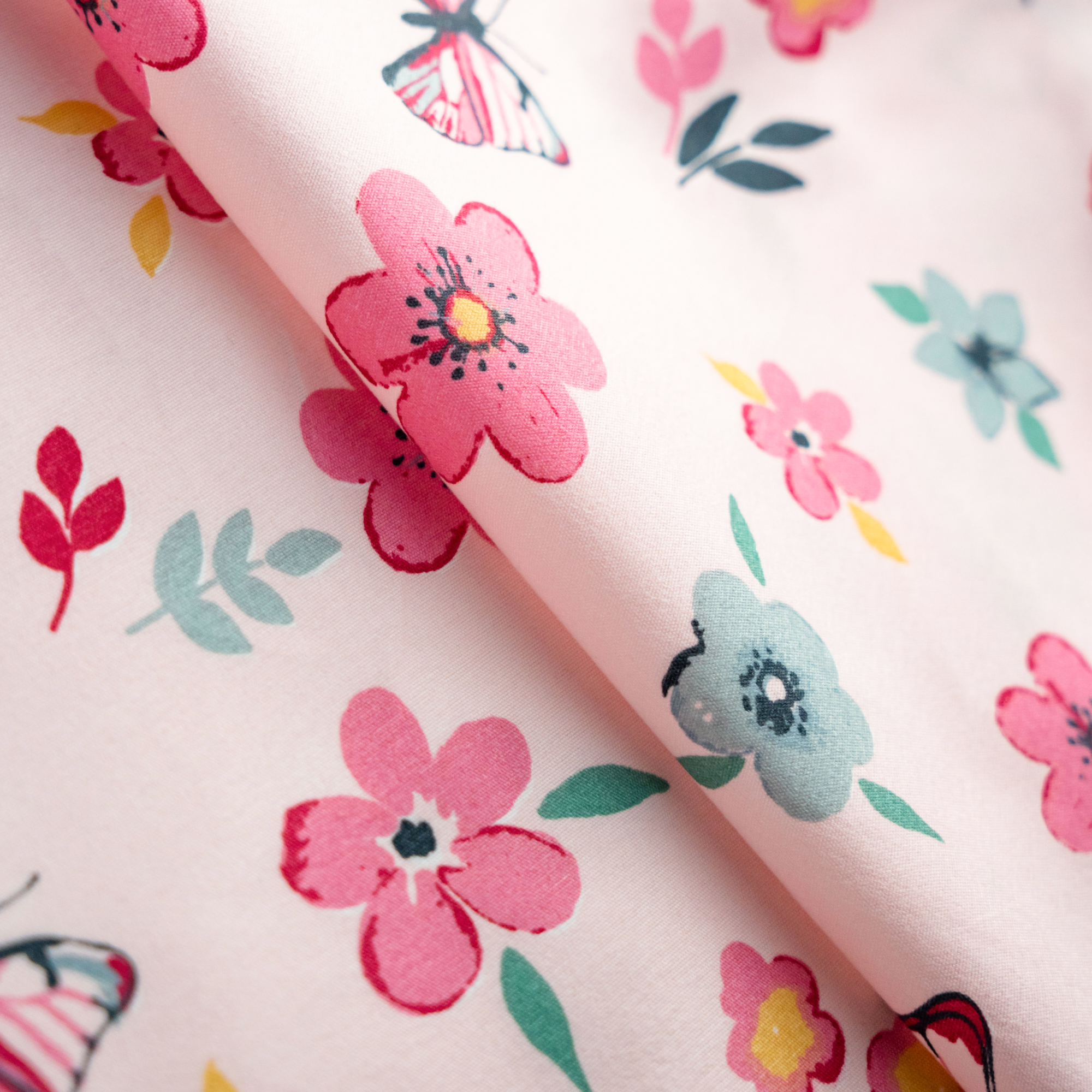
You see a rising demand for microfiber polyester fabric in Southeast Asia. Countries like Vietnam, Thailand, and Indonesia sell a lot of fabric to other places. They also invest in eco-friendly methods to produce fabric. You notice that people care about the environment when they choose fabric. The microfiber yarns market is projected to grow at 6.20% each year from 2019 to 2030, with an additional growth of 6.40% annually. Polyester fabric makers play a crucial role as you seek new ways to meet this rising demand.
Key Takeaways
More people in Southeast Asia want microfiber polyester fabric. They like eco-friendly choices and what buyers prefer. Young people and city residents help the market grow. They want good quality, strong, and green options. New technology makes fabric better and easier to make. This makes it cheaper and useful for more things. Using recycled materials helps companies gain trust. It also helps the market get bigger. Vietnam, Thailand, and Indonesia are important in the market. Each country works on growing and being eco-friendly.
Rising Demand Drivers
Consumer Preferences
You notice that what people like affects the polyester fabric market in Southeast Asia. People want more than just plain fabric. They look for things that fit their lives and beliefs. There are three big trends you can see:
More people care about the planet. You want to help the environment, so you pick eco-friendly choices. Companies use recycled polyester and try to make less waste.
How well the fabric works is important. You want fabric that keeps you cool and dry. This matters a lot for sports clothes and activewear.
You like to choose your own colors, textures, and features. Brands give you more options so you stay interested.
Who buys the fabric also matters a lot. The table below shows how age, money, and city living change what you buy:
Demographic Factor | Impact on Consumption |
|---|---|
Age (25-45) | High demand for microfiber polyester fabric |
Income Level | Primary purchase driver, especially among higher disposable incomes |
Urbanization | Accelerates demand for premium bedding |
Consumer Trends | Millennials and Gen Z prioritize convenience, durability, and aesthetics |
Younger people and those with more money buy more fabric. Living in cities makes people want better bedding and home items. These things help companies sell more polyester fabric.
Technological Advances
New technology helps the polyester industry grow. Better machines make fabric faster and improve its quality. You get nicer fabric for less money. Nanotechnology adds smart features to fabric. Some fabrics clean themselves or kill germs. These new ideas make polyester fabric more helpful every day.
Factories also try to be greener. Technology helps them use less energy and make less waste. This is good for the planet and matches what you want. Because of this, the polyester fabric market keeps getting bigger.
Eco-Friendly and Sustainability Factors
You care about the planet when you buy polyester fabric. Companies in Southeast Asia use many rules and methods to protect nature. The table below shows some common eco-friendly ways:
Certification/Practice | Description |
|---|---|
GRS (Global Recycled Standard) | Ensures compliance with recycling standards and promotes the use of recycled materials. |
OEKO-TEX® | Certifies that textiles are free from harmful substances, ensuring safety for consumers. |
ISO 14001 | Focuses on effective environmental management systems within organizations. |
Sustainable Sourcing | Involves using post-consumer plastic waste, reducing landfill impact. |
Energy-efficient Production | Practices that minimize energy consumption during manufacturing processes. |
Circular Economy Support | Innovative materials and practices that promote recycling and reuse of resources. |
Now, using recycled polyester and saving energy is normal in the industry. These green steps cut down on pollution and save resources. Companies earn your trust by doing these things. The market grows because you want eco-friendly products, so more people buy them.
The need for polyester fabric in Southeast Asia grows because of what you like, new technology, and caring for the planet. You help shape the market by picking products that match your values.
Country Market Analysis
Vietnam Market Overview
Vietnam leads the microfiber polyester fabric market in Southeast Asia. The country has many factories that make lots of polyester fabric each year. Vietnam sells fabric to places like the United States, Japan, and South Korea. This helps Vietnam get a bigger share of the market. Vietnam keeps making more fabric every year. Many companies buy new machines and use better technology. This lets them make more fabric and improve quality. Vietnam still needs to import some raw materials, especially recycled polyester. This is hard for Vietnam, but it also gives them a chance to grow. If Vietnam uses more recycled materials, it can be a leader in sustainability. More people want microfiber fabric in Vietnam and around the world. Many buyers want eco-friendly products. This makes factories use recycled polyester and follow green rules. Vietnam’s market grows because people care about both growth and the planet.
Thailand Market Overview
Thailand is important in the polyester industry. Thailand is one of the top five exporters of polyester fiber in the world. In 2023, Thailand exported over 1.8 million metric tons of polyester fiber. This gave Thailand about 8–10% of the global market share in polyester staple fiber. Thailand sells fabric to China, India, Vietnam, Bangladesh, and Indonesia.
Thailand’s polyester fabric industry earns a lot from exports.
Many factories use new machines to make high-quality microfiber fabric.
Thailand’s manufacturers sell fabric in local and global markets.
The country’s strong supply chain helps it meet many buyers’ needs.
Thailand’s market grows because of strong exports and new consumer trends. Thailand also works on sustainability by using recycled materials and saving energy. This helps Thailand stay strong in the global market.
Indonesia Market Overview
Indonesia’s polyester fabric market grows fast. The country’s climate is good for microfiber polyester fabric. The fabric does not get mold or mildew, which is important in hot and humid places. Indonesia’s factories make polyester fabric cheaper than natural fibers. This makes fashion and home products cost less for buyers.
The table below shows what helps Indonesia’s polyester fabric industry grow:
Factor | Description |
|---|---|
Climate Suitability | Works well in heat and humidity, resists mold and mildew |
Cost Efficiency | Cheaper than silk or wool, makes fashion affordable |
Local Production | Supported by more polyester factories in Java and Sumatra |
Versatility | Can be made soft, stiff, shiny, or matte for different uses |
Global Integration | Connects with global supply chains, helps export garment production |
Indonesia’s factories use local resources and work with global supply chains. This helps Indonesia sell more fabric and meet rising demand. Many factories use recycled polyester to help the planet. Indonesia’s market keeps growing because of these strong trends.
Vietnam, Thailand, and Indonesia each have a special part in the Southeast Asian polyester fabric market. Each country uses its strengths to meet what buyers want, grow its industry, and help the planet.
Industry Impact and Opportunities
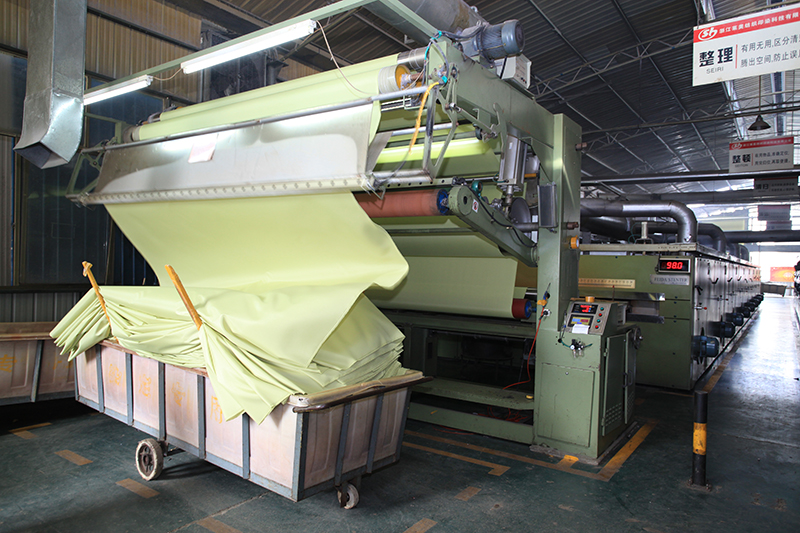
Polyester Fabric Manufacturers: Growth
Polyester fabric makers in Southeast Asia are growing fast. The market gets bigger because people want strong and cheap fabric. Online shopping helps sell more clothes, so demand rises. Factories use new machines to make more fabric and better quality. Many factories use recycled polyester to be more eco-friendly. This change helps them get more buyers and follow new trends.
Labor costs matter a lot for this growth. In Vietnam, workers earn about $3.5 each hour. Low wages help factories stay competitive. Vietnam exported over $34 billion in textiles in 2023. Factories can sell fabric for less money but still keep good quality. But many factories have trouble finding enough workers. They need 30% to 50% more staff. This makes it hard to meet all the demand.
Polyester fabric is used in many things. You see it in sports clothes, bedding, healthcare, and hygiene products. The industry also helps the planet by using recycled materials and making fabric last longer.
Challenges and Solutions
The polyester fabric industry faces many problems. Prices for raw materials change a lot, so profits can drop. Factories compete with cheaper suppliers from China and India. It is hard to balance new ideas and being eco-friendly. Supply chain issues after the pandemic make things worse.
Factories use different ways to fix these problems:
They switch to renewable energy and stop using fossil fuels.
They use recycled PET pellets and renewable feedstock for new fibers.
They use less water and recycle water during production.
They design fabric to last longer and be recycled.
They improve textile collection and recycling programs.
They teach people how to throw away textiles the right way.
They use new technology to make yarns that release fewer microfibers.
Certifications help factories earn trust from buyers. By focusing on new ideas and technology, factories can meet market needs and be eco-friendly. These steps help the industry grow and change with what buyers want.
Future Market Outlook
Predicted Trends
By 2030, the microfiber polyester fabric market will change a lot in Southeast Asia. More people want fabric that is good for the planet. Companies use recycled polyester more often now. This helps the earth and gives people what they want. Technology makes fabric better and lets it be used in new ways. You can find this fabric in sportswear, healthcare, and hygiene products. The textile industry in Asia-Pacific grows fast, so the market keeps getting bigger.
These trends will shape what happens next:
More people want eco-friendly fabric choices.
Companies make new kinds of polyester that break down and come from safe sources.
Digital tools help factories work faster and make better fabric.
Government rules help the market grow and share new ideas.
Companies recycle and reuse materials, making circular economies more important.
Certifications like GRS and OEKO-TEX® help factories earn trust. People care more about the planet, so companies use more recycled materials and green ways to make fabric.
Strategic Recommendations
You can help polyester fabric makers do well in Southeast Asia. Companies should look at fast-growing markets and work with local partners. Making new products is important. Factories should spend money on research to make strong and green fabric. Making more fabric helps meet what people want. Factories need to be flexible so they can change when the market does.
Here are some good strategies:
Recommendation Type | Description |
|---|---|
Market Entry | Go into Asia-Pacific markets and work with local partners. |
Product Innovation | Spend on research to make better, greener, and shiny fabrics. |
Capacity Expansion | Make more fabric and use flexible ways to produce it. |
Vertical Integration | Get raw materials by owning supply sources. |
Sustainability Focus | Use green materials and methods to stand out as a brand. |
Strategic Alliances | Work with tech companies to find new solutions. |
Companies should use more recycled polyester and help circular economies. Focusing on green ways, good quality, and certifications will help factories grow and get more buyers.
You notice that more people want microfiber polyester fabric. This helps the textile industry grow in Southeast Asia. Big factories and new machines make this happen. There are many chances for makers in this area:
Opportunity Type | Description |
|---|---|
Sustainable Fashion | More people want eco-friendly products. |
Recycled Polyester Usage | Factories focus on using recycled materials. |
Growth in Athleisure | Comfortable, stylish wear is more popular. |
You will see more focus on green choices. Fabrics will get better and be used in new ways. Healthcare and industry will use these fabrics more. Picking eco-friendly ways and smart products will help you stay ahead.
FAQ
What makes microfiber polyester fabric popular in Southeast Asia?
Microfiber polyester fabric is used a lot. It feels soft and dries fast. It lasts a long time. Factories make it cheap and eco-friendly. People pick it for sportswear, bedding, and home items.
How do manufacturers in Southeast Asia support sustainability?
Factories use recycled polyester and save energy with machines. Many companies follow rules like GRS and OEKO-TEX®. These steps help nature and make buyers trust them.
Is microfiber polyester fabric safe for sensitive skin?
Microfiber polyester fabric is safe for most people. Brands check their products for bad chemicals. Certifications like OEKO-TEX® show the fabric is safe.
See Also
Comparing Panel And Digital Printing For Polyester Bedding